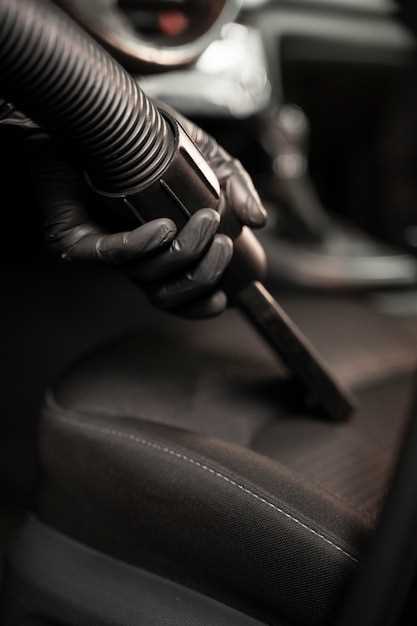
When it comes to selling your car, first impressions matter immensely. The interior of your vehicle is often the focal point for potential buyers, as it reflects the overall care you have taken in maintaining it. A clean and well-detailed interior can significantly enhance your car’s appeal and, consequently, its sale value.
Investing time and effort into interior detailing not only improves aesthetics but also creates an inviting atmosphere for prospective buyers. From cleaning upholstery to eliminating unpleasant odors, each detail counts in presenting your vehicle in the best possible light. Understanding effective detailing strategies will empower you to make your car stand out in a competitive market.
This article will provide you with practical interior detailing tips designed to elevate your car’s sale value. By following these guidelines, you’ll be better equipped to attract buyers and negotiate a favorable price. Let’s dive into the essential steps that can transform your car’s interior and boost its market appeal.
Choosing the Right Cleaning Products for Different Materials
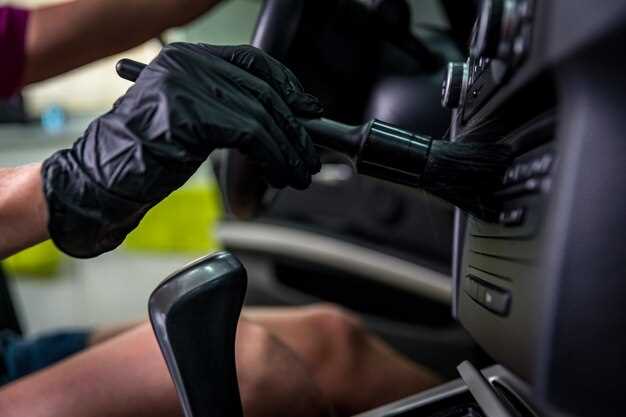
When detailing your car’s interior, selecting the appropriate cleaning products for various materials is crucial for achieving optimal results and enhancing resale value. Each surface in your vehicle, from leather seats to fabric upholstery, requires specific care to maintain its appearance and integrity.
For leather surfaces, use a pH-balanced leather cleaner. These products are formulated to gently remove dirt and grime without stripping away natural oils. After cleaning, apply a leather conditioner to keep the material supple and prevent cracking. It’s essential to avoid harsh chemicals, as they can damage the finish and lead to deterioration.
For fabric upholstery, opt for a foaming upholstery cleaner. This type of cleaner penetrates the fibers, lifting stains and odors effectively. Always test the cleaner in an inconspicuous area first to ensure it does not affect the color or texture. After treatment, consider using a fabric protector to repel future stains and spills.
Plastics and vinyl surfaces often benefit from dedicated plastic cleaners and protectants. These products help restore shine and protect against UV damage, which is especially important for dashboard areas exposed to sunlight. Avoid abrasive cleaners that may scratch or dull the finish.
For glass surfaces, a streak-free glass cleaner is ideal. Traditional household cleaners may leave a residue, so look for products specifically designed for automotive use. Using a microfiber cloth for application can prevent scratches and ensure clarity.
Always read product labels for usage instructions and compatibility with different materials. When detailing, employing the right cleaning products not only improves the aesthetics of your vehicle’s interior but also contributes to its long-term value. Taking the time to select suitable products will reflect your commitment to quality care and can significantly enhance your car’s appeal to potential buyers.
Step-by-Step Guide to Deep Cleaning Car Upholstery
Deep cleaning car upholstery is essential for maintaining the interior quality and enhancing resale value. Follow this step-by-step guide to achieve optimal results.
Step 1: Gather Your Supplies
Before starting, collect necessary materials: a vacuum cleaner with upholstery attachment, microfiber cloths, upholstery cleaner or mild detergent, soft brush, bucket, and a spray bottle. Choose a cleaner suitable for your upholstery type, whether fabric or leather.
Step 2: Remove Loose Debris
Begin by vacuuming the entire interior to remove loose dirt, dust, and debris. Pay special attention to crevices, seat seams, and under the seats where dirt tends to accumulate. Using the upholstery attachment will help dislodge stubborn particles.
Step 3: Test Cleaner on a Small Area
Before applying the cleaner, test it on a hidden section of the upholstery to check for any adverse reactions or discoloration. Allow it to dry and inspect for streaks or damage.
Step 4: Apply Cleaner
Once tested, apply the upholstery cleaner according to the product instructions. For fabric upholstery, spray the cleaner onto the surface or onto a microfiber cloth. For leather, use a slightly damp cloth to avoid oversaturation.
Step 5: Scrub the Upholstery
Using a soft brush, gently scrub the upholstery to lift stains and dirt. Be cautious not to be overly aggressive, as this may damage the fabric or leather. Work in small sections, ensuring even coverage.
Step 6: Wipe Down with a Damp Cloth
After scrubbing, take a clean, damp microfiber cloth and wipe away the cleaner along with any lifted dirt. Make sure to rinse the cloth regularly to avoid redistributing grime.
Step 7: Allow to Dry
Let the upholstery air dry completely. If possible, park the car in a well-ventilated area or leave the windows open to expedite the drying process. This prevents mildew and odors from developing.
Step 8: Vacuum Again
Once dry, vacuum the upholstery one more time to remove any remaining dirt particles. This helps restore a fresh appearance and enhances the overall feel of the interior.
Step 9: Apply Protectant (Optional)
For fabric upholstery, consider applying a fabric protectant to help repel stains and spills in the future. For leather, use a dedicated leather conditioner to maintain its suppleness and prevent cracks.
Following these steps will ensure your car’s upholstery is deeply cleaned, making the interior more appealing to potential buyers and increasing resale value.
Maintenance Tips to Keep Your Interior Looking New Longer
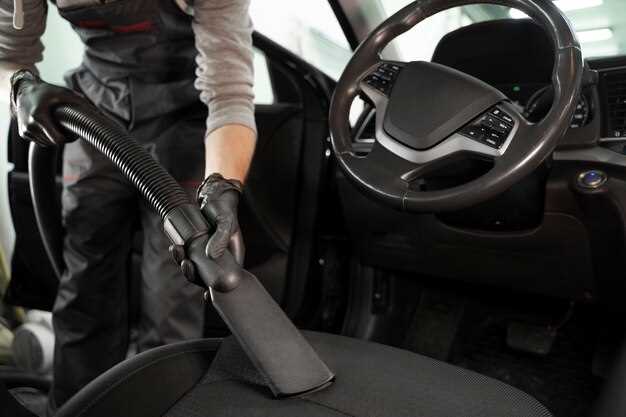
Regular detailing is essential for preserving the pristine condition of your vehicle’s interior. However, proactive maintenance can significantly extend the lifespan of your car’s interior features. Here are some effective tips to keep your interior looking fresh and new.
1. Clean Spills Immediately: Promptly address any spills or stains to prevent them from setting in. Use a microfiber cloth to blot the area, and choose an appropriate cleaner for the material. This approach minimizes potential damage and keeps your interior pristine.
2. Use Seat Covers and Floor Mats: Protect your upholstery and flooring from wear and tear by using high-quality seat covers and floor mats. These products act as a first line of defense against dirt, spills, and stains, making it easier to maintain a clean interior.
3. Regular Dusting: Dust can accumulate quickly in your vehicle, leading to a dull appearance. Regularly dust surfaces, including the dashboard, center console, and door panels, using a soft cloth or a detailing brush to reach tight spots.
4. Conditioning for Leather Interiors: If your car features leather seats, apply a leather conditioner every few months. This product will help maintain the material’s suppleness, prevent cracking, and enhance its overall look.
5. Avoid Direct Sunlight: Whenever possible, park in shaded areas or use a windshield sunshade to protect your interior from UV rays. Sunlight can fade fabrics and leathers, which diminishes your car’s aesthetic appeal over time.
6. Keep Windows Clean: Dirty windows can distract from the overall appearance of your vehicle. Use a glass cleaner suitable for automotive use, ensuring that you keep both the interior and exterior glass clean for better visibility and a more polished look.
7. Air Fresheners: Maintain a pleasant aroma by using air fresheners that are free of harsh chemicals. Opt for subtle scents that can enhance the driving experience without being overpowering.
By incorporating these maintenance tips into your regular vehicle care routine, you will not only keep your car looking new and appealing but also enhance its overall resale value through consistent detailing and upkeep.