
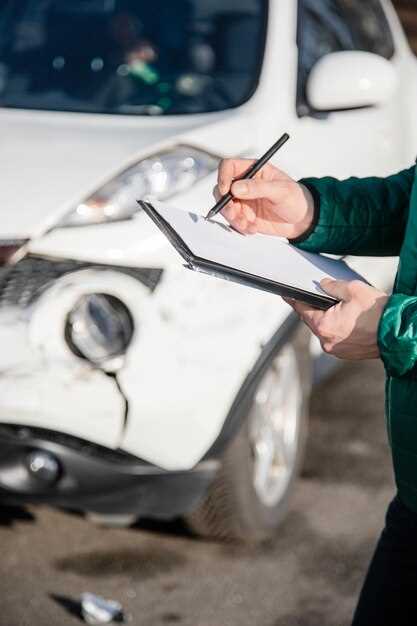
Owning a vehicle is often seen as a significant investment, and its value can fluctuate depending on its condition. One of the most noticeable aspects that can detract from a car’s value is the presence of dents and scratches. These blemishes not only affect the overall aesthetic appeal but can also signal underlying issues that may concern potential buyers. Therefore, addressing these imperfections is crucial for retaining and even enhancing your car’s market value.
To repair dents and scratches effectively, it is essential to understand the proper techniques and tools involved. Many vehicle owners rely on professional services, but minor damages can often be tackled independently with the right approach. Using quality polish and repair kits can make a significant difference, restoring the vehicle’s appearance and demonstrating to buyers that the car has been well-maintained.
In addition to improving the car’s exterior, repairing these flaws can prevent more extensive damage that may arise if left unattended. A timely repair can save both time and money in the long run, ensuring that your vehicle remains in excellent condition. In this article, we will explore various methods of repairing dents and scratches, discuss the importance of polishing, and ultimately guide you to enhance your car’s value for future resale or trade-in opportunities.
Techniques for DIY Dent Repair
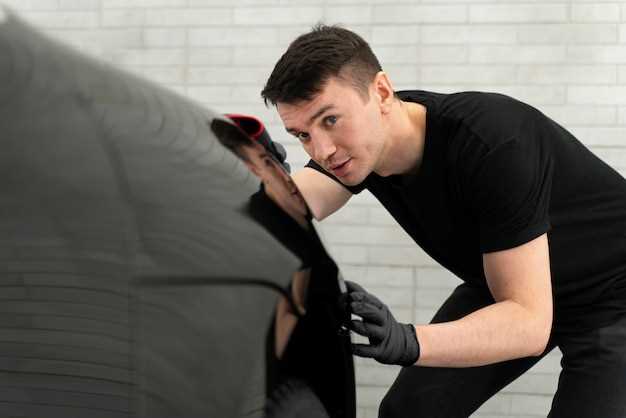
DIY dent repair techniques can save car owners both time and money while restoring their vehicle’s appearance. One of the most popular methods is the use of a hairdryer or heat gun combined with aluminum foil and dry ice. Start by heating the dented area with the hairdryer for about 30 seconds, ensuring the paint does not overheat. Next, cover the dent with aluminum foil to protect the paint surface. After that, quickly place dry ice on the foil. The rapid temperature change may cause the metal to contract, helping to pop the dent back into place.
Another effective method involves using a specialized dent repair tool called a puller. This device typically uses glue to adhere to the outer layer of the dent. Apply the glue to the puller and press it against the dent for a few minutes. Once the glue is set, pull the handle to gently remove the dent. It’s essential to work slowly to avoid damaging the surrounding area.
If the dent is shallow and the paint is intact, a hot water method can be beneficial. Pour boiling water over the dent to soften the plastic, then push from behind to restore its original shape. This technique works particularly well for plastic parts and requires access to the rear of the panel.
For minor scratches accompanying a dent, using a scratch-removal kit can complement the repair process. These kits typically include a rubbing compound and polishing pads that can smoothen the surface post-repair, enhancing the vehicle’s overall value.
Ultimately, knowing these techniques allows car owners to tackle minor dents and scratches on their own, leading to significant savings and a proud sense of accomplishment. However, it’s important to assess the severity of the damage and consider seeking professional help for more extensive repairs.
Choosing the Right Polish for Your Vehicle
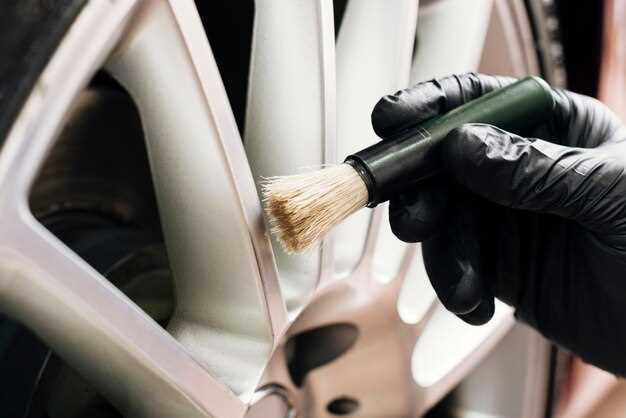
When it comes to maintaining your vehicle’s appearance and enhancing its value, selecting the appropriate polish is crucial. Polishing not only helps to restore the shine of your car’s paint but also plays a role in minimizing the visibility of dents and scratches. Understanding the types of polish available will allow you to make an informed choice.
Firstly, there are two main categories of polish: abrasive and non-abrasive. Abrasive polishes contain fine particles that can effectively remove surface imperfections, including light scratches. If your vehicle has minor dents that have not penetrated deeply into the paint, an abrasive polish can help to smooth out the surface. However, it is essential to use such products sparingly, as excessive use can lead to thinning of the paint layer.
Non-abrasive polishes, on the other hand, are gentler and can be ideal for regular maintenance. These polishes typically enhance the gloss and depth of the car’s color without removing any paint. They can be particularly useful if you want to give your car a fresh look without risking paint damage, perfect for vehicles that have only a few superficial blemishes.
Choosing the right polish also involves considering the specific paint type of your vehicle. For example, clear coat finishes require polishes designed specifically for that purpose to achieve the best results while protecting the underlying layers. Always check the product label to ensure compatibility with your vehicle’s finish.
Additionally, the application method can influence the effectiveness of the polish. Some products can be applied by hand, while others are designed for use with a machine polisher. Manual application allows for more control, especially when dealing with delicate areas prone to dents and scratches. In contrast, machine application can be quicker and produces consistent results, making it an excellent option for larger surfaces.
Ultimately, investing in a high-quality polish tailored to your vehicle’s needs will ensure that your car maintains its aesthetic appeal and resale value. Regular polishing not only reflects a commitment to vehicle care but also preserves the overall condition, minimizing the impact of dents and scratches over time.
Cost-Effective Methods for Scratch Removal
Removing scratches efficiently can significantly enhance the value of your vehicle, and there are several cost-effective methods to achieve this without the need for professional services. One commonly used technique is the application of polishing compounds. These compounds work by leveling the clear coat on the car’s surface, effectively blending the scratch with the surrounding area. Simply apply the polish to a soft cloth and gently rub it over the scratched area in circular motions. This method is particularly effective for minor surface scratches and can often restore the original finish.
An alternative approach involves using scratch repair kits, which are widely available at automotive retailers. These kits typically include a specialized pen or applicator filled with color-matched paint and a clear coat. To use this method, clean the scratched area thoroughly, then apply the repair solution according to the instructions provided. Allow it to dry completely, and finish with a polish to ensure a smooth transition between the repaired section and the rest of the car’s surface.
For deeper scratches, a more intensive repair may be necessary. Wet sanding can be an effective method, but it requires caution to avoid damaging the surrounding paint. Using fine-grit sandpaper, gently sand the scratch until the edges are smooth. After sanding, clean the area and apply a polishing compound to restore the shine. This method is particularly useful for scratches that penetrate beyond the clear coat.
Finally, for those looking for household solutions, a mixture of baking soda and water can be used to create a paste that may help diminish the appearance of light scratches. Apply the paste to the affected area, rub gently, and rinse off with clean water before polishing for a better finish.
In conclusion, repairing scratches doesn’t have to be a costly endeavor. With the right materials and techniques, you can effectively restore your car’s appearance, thereby enhancing its overall value.


