

The automotive industry is undergoing a significant transformation as the demand for sustainable transportation options increases. Among the leading choices for environmentally conscious consumers are plug-in hybrids and full electric vehicles. Both of these car types offer unique benefits and address the need for reduced emissions, but they operate on fundamentally different platforms.
Plug-in hybrids combine a traditional internal combustion engine with an electric motor and battery, allowing drivers to switch between gasoline and electric power. This flexibility can ease concerns over battery range and charging infrastructure, making plug-in hybrids an attractive option for those transitioning to greener driving habits. On the other hand, full electric vehicles rely entirely on electric power, offering zero tailpipe emissions and the potential for lower operating costs in the long run.
As the market evolves, understanding the distinctions between these two technologies becomes essential for consumers. Factors such as environmental impact, daily driving needs, and charging convenience will influence decisions. By analyzing the advantages and limitations of both hybrid and electric cars, potential buyers can make informed choices that align with their lifestyle and values.
Cost Analysis: Assessing Initial and Long-Term Expenses
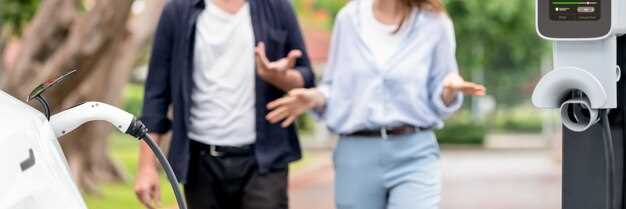
When evaluating the financial implications of plug-in hybrids versus full electric vehicles, it’s essential to consider both initial and long-term expenses. The upfront cost of purchasing an electric car often tends to be higher than that of a plug-in hybrid, primarily due to the expensive battery technology utilized in electric vehicles. However, various government incentives and rebates can significantly reduce the net price of an electric car, making it a more attractive option for some consumers.
In terms of maintenance, electric vehicles generally have fewer moving parts compared to plug-in hybrids, resulting in lower maintenance costs over time. Electric cars require less frequent servicing, and the absence of an internal combustion engine minimizes the risk of engine-related issues. Conversely, plug-in hybrids combine both electric and gasoline engines, leading to potentially higher maintenance expenses due to the complexity of having two different systems.
Fuel costs represent another crucial factor in the long-term cost analysis. For electric cars, charging at home typically costs less than refueling a plug-in hybrid with gasoline. Additionally, the efficiency of electric vehicles often results in lower energy costs per mile compared to their hybrid counterparts. As charging infrastructure continues to expand, the convenience and cost-effectiveness of owning an electric car improve, making it a more economically sound choice for many drivers over the vehicle’s lifespan.
Finally, depreciation plays a significant role in the overall financial assessment. While electric cars may initially depreciate faster due to rapidly advancing technology and market dynamics, their resale value is stabilizing as electric vehicle adoption increases. Plug-in hybrids might retain value better in specific markets where consumer preference leans towards versatility and hybrid capabilities. Understanding these factors allows potential car buyers to make informed decisions based on their financial situation and driving needs.
Charging Infrastructure: Evaluating Accessibility and Convenience
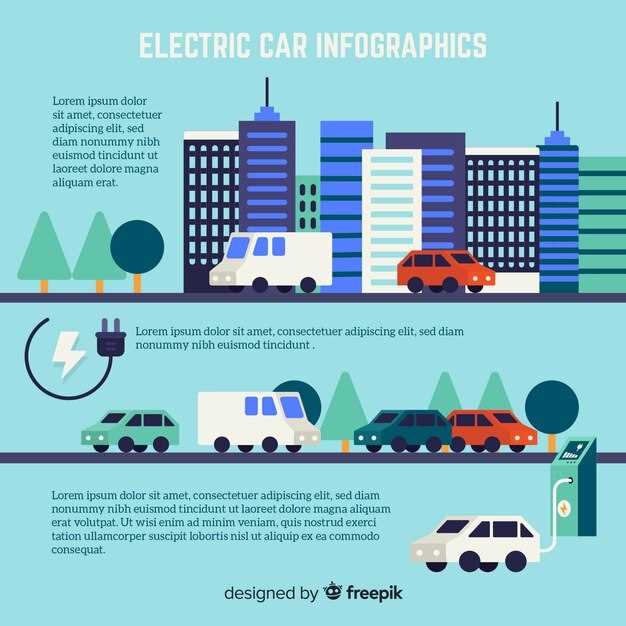
The adoption of plug-in hybrids and full electric vehicles (EVs) is heavily influenced by the availability and convenience of charging infrastructure. For consumers considering the switch from conventional gasoline-powered cars, the accessibility of charging stations plays a critical role in their decision-making process.
Electric vehicles require a robust network of charging solutions to ensure a seamless driving experience. While a typical gas station is relatively easy to find, the landscape for charging stations varies greatly by region. Urban areas often have several charging points, while rural regions may be lacking in adequate facilities. This discrepancy can deter potential buyers who fear running out of charge during their travels.
On the other hand, plug-in hybrids offer a degree of flexibility. They can operate on both electric power and traditional fuel, potentially reducing the worry regarding charging infrastructure. However, for users who prefer to utilize the electric mode for short trips, access to charging stations still remains essential. Many plug-in hybrid owners choose to install personal charging solutions at home, which adds a layer of convenience.
Moreover, the variety of charging options adds to the evaluation of convenience. Fast chargers significantly reduce wait times, making it easier for electric car users to recharge during long journeys. The proliferation of DC fast charging stations along highways is crucial for long-distance travel. Conversely, many electric vehicle owners charge their cars overnight using Level 2 chargers at home, benefiting from lower electricity rates during off-peak hours.
Another factor influencing the charging experience is payment methods. Many charging networks require subscriptions or offer pay-as-you-go options, which can complicate the process for drivers accustomed to the simplicity of fueling their cars with gasoline. Maintaining a seamless payment process can greatly enhance user satisfaction and overall adoption rates for both plug-in hybrids and electric vehicles.
In conclusion, the accessibility and convenience of charging infrastructure are central to the transition towards electric cars and plug-in hybrids. Consumers prioritize ease of use, geographic availability, and rapid charging options when making their choices. As the industry continues to evolve, improvements in charging infrastructure will drive wider acceptance and enhance the driving experience for electric vehicle users.
Environmental Impact: Understanding Emissions and Sustainability
The environmental impact of vehicles is a significant concern in today’s world, particularly when comparing plug-in hybrids and full electric vehicles. Both types aim to reduce reliance on fossil fuels and lower greenhouse gas emissions, yet they differ in their approach and overall effectiveness.
Full electric vehicles (EVs) produce zero tailpipe emissions, which significantly contributes to improved air quality, especially in urban areas. They operate solely on electricity, making them inherently more sustainable when sourced from renewable energy. The lifecycle emissions of electric vehicles, including manufacturing and battery production, are important to consider; however, advancements in battery technology and recycling processes are continually improving their environmental profile.
Plug-in hybrids, on the other hand, utilize both an electric motor and a gasoline engine, allowing for flexibility in driving. While they can operate on electric power alone for shorter distances, they still rely on gasoline for longer trips, which introduces emissions associated with fossil fuel combustion. The degree of sustainability for plug-in hybrids heavily depends on driving habits and the distance covered in electric mode. If primarily charged and used in electric mode, their emissions can be substantially lower compared to traditional gasoline vehicles.
Battery manufacturing, a critical aspect for both electric and plug-in hybrid vehicles, poses environmental challenges, particularly involving lithium, cobalt, and nickel extraction. Sustainable sourcing and the development of cleaner production methods are essential for minimizing the environmental footprint of battery production. Increasing support for recycling programs can further mitigate the impact of used batteries, making both electric and hybrid models more sustainable in the long term.
Ultimately, the choice between a plug-in hybrid and a full electric vehicle can impact sustainability efforts and emissions reduction. While full electric vehicles lead to greater reductions in emissions at the point of use, plug-in hybrids offer a transitional option that may appeal to consumers still reliant on traditional fuel sources. Understanding the environmental implications associated with each option allows consumers to make informed decisions that align with their values and the goal of reducing overall emissions.


