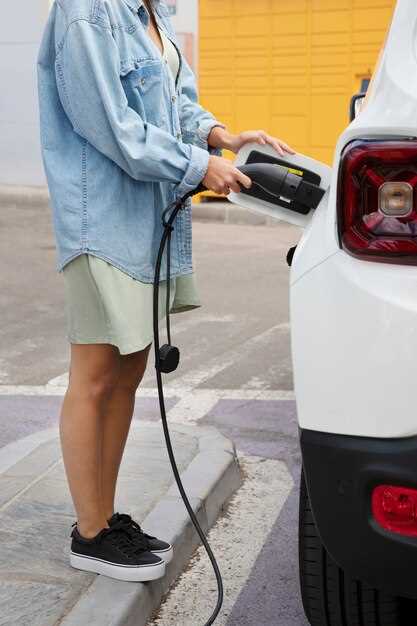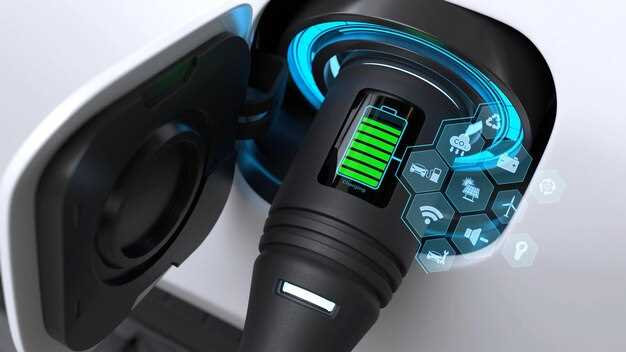
As the popularity of electric vehicles (EVs) and hybrids continues to rise, the importance of proper maintenance for their batteries cannot be overstated. These advanced battery systems are the heart of any EV, directly influencing performance, efficiency, and longevity. Understanding how to care for a used hybrid or electric vehicle battery is crucial for maximizing its lifespan and ensuring you get the most value from your investment.
Battery health plays a pivotal role in the overall ownership experience of used EVs. Many potential buyers underestimate the impact that battery condition has on vehicle performance and resale value. Battery care is not just about extending the life of the battery; it’s also about enhancing driving range and ensuring consistent power delivery. In this article, we will explore essential tips that can help you manage the battery of your used hybrid or electric vehicle effectively.
From optimal charging practices to temperature management, proper care can significantly improve your battery’s performance. By following these guidelines, you can enjoy the benefits of your hybrid or electric vehicle to the fullest. Let’s dive into the critical steps you can take to ensure your EV battery remains healthy and efficient.
Maintaining Optimal Battery Temperature in Used Hybrids

For used hybrid and electric vehicles (EVs), maintaining the battery temperature within an optimal range is crucial for ensuring longevity and performance. Batteries are sensitive to temperature fluctuations, and both extreme cold and heat can negatively impact their efficiency and lifespan.
Monitor Temperature: Regularly check the ambient temperature where your hybrid or EV is parked. Excessive heat can accelerate degradation, while very low temperatures may reduce battery capacity. Aim to park in shaded or covered areas during hot weather and in garages or warmer locations during winter months.
Utilize Climate Controls: Many modern hybrids and EVs come equipped with battery management systems that help regulate battery temperature. Utilize pre-conditioning features before driving, especially in extreme weather conditions. This feature allows the vehicle to adjust the battery temperature while plugged in, minimizing energy loss.
Insulation Options: Consider investing in thermal blankets or insulation for the battery area, particularly if you live in regions with severe climate conditions. This additional protection can help minimize temperature fluctuations and shield the battery from external conditions.
Avoid Fast Charging Frequently: While fast charging is convenient, it often generates additional heat. Frequent use can lead to increased thermal stress on the battery. Instead, opt for standard charging whenever possible, especially during high-temperature periods.
Regular Maintenance: Keep your hybrid or EV in optimal condition through regular maintenance. Check cooling systems, including coolant levels and fans, to ensure they are functioning properly. Any issues with cooling can lead to overheating and subsequent battery damage.
By following these guidelines, you can effectively manage the battery temperature in your used hybrid or EV, thus enhancing its performance and extending its overall lifespan.
Best Charging Practices for Longer Battery Life in EVs
To maximize the lifespan of your electric vehicle (EV) battery, adhering to optimal charging practices is essential. Understanding how to charge your EV correctly can lead to better battery health and improved performance over time.
First and foremost, avoid charging your battery to 100% unless absolutely necessary. Keeping the charge level between 20% and 80% helps to reduce stress on the battery, ultimately prolonging its life. Frequent full charges can accelerate wear and tear due to higher voltage levels that are maintained, which can lead to faster degradation.
Equally important is the practice of not allowing your battery to deplete completely. Regularly letting your battery drop below 20% can cause irreversible damage and reduce its overall efficiency. Aim to recharge your EV when the battery level is around 30% to ensure optimal performance and longevity.
It’s advisable to utilize home charging solutions where possible. Charging your EV overnight can provide a consistent charging routine, ensuring that your battery is ready to go each day without reaching uncomfortable depletion levels. Moreover, consider investing in a Level 2 charger; it offers a faster and more efficient way to charge your vehicle compared to standard wall outlets.
Temperature control is another crucial factor. EV batteries operate best in moderate temperatures. If you can, charge your vehicle in a climate-controlled environment, especially during extreme weather conditions. Both excessive heat and cold can adversely affect battery performance and lifespan.
Lastly, if your EV features a battery management system or smart charging capabilities, take full advantage of these. These systems often optimize charging patterns to protect the battery. Additionally, be aware of the specific charging guidelines provided by the manufacturer, as they may offer further insights tailored to your vehicle model.
Identifying and Resolving Common Battery Issues in Hybrid Vehicles
Hybrid vehicles, integrating both internal combustion engines and electric propulsion systems, rely on batteries to optimize fuel efficiency and reduce emissions. As these batteries age, certain issues may arise, impacting performance and reliability. Understanding how to identify and resolve these common battery problems is essential for maintaining your hybrid vehicle.
One prevalent issue is decreased battery capacity, resulting in reduced electric range. This can be detected through the battery management system’s dashboard indicators or by noticing diminished acceleration and longer charge times. To resolve this issue, consider performing a battery refresh cycle, allowing the battery to charge and discharge fully. If problems persist, a professional assessment may be necessary to determine if battery cells need replacement.
Another common problem is overheating. High temperatures can significantly affect battery health and efficiency. If you notice the battery frequently overheating, check for proper ventilation around the battery pack. Ensuring that cooling fans are functioning and that there are no obstructions can help mitigate this issue. In cases where the battery overheats despite these measures, professional diagnosis is crucial to prevent further damage.
Fast charging can lead to battery degradation over time. If your hybrid vehicle supports rapid charging but you notice abnormal discharge rates, consider using slower charging options whenever possible. This can enhance battery longevity and performance. Additionally, regularly monitoring charging habits and using the appropriate charging method can help prevent long-term damage.
Battery warning lights on the dashboard should never be ignored. These indicators provide insights into the battery’s health and may signify issues such as cell failure or connectivity problems. If a warning light becomes illuminated, conducting an OBD-II scan can help diagnose the issue. Promptly addressing these alerts can prevent more extensive repairs down the line.
Lastly, poor battery maintenance practices can lead to issues. Regularly inspect battery terminals for corrosion and ensure connections are secure. Keeping battery contacts clean and free from obstruction can greatly enhance performance. If corrosion is present, cleaning with a mixture of baking soda and water, followed by thorough drying, can restore connectivity.
In summary, recognizing and addressing common battery issues in hybrid vehicles is vital for optimizing their lifespan and performance. By being proactive in your approach and seeking professional help when needed, you can ensure your hybrid’s battery continues to perform efficiently for years to come.